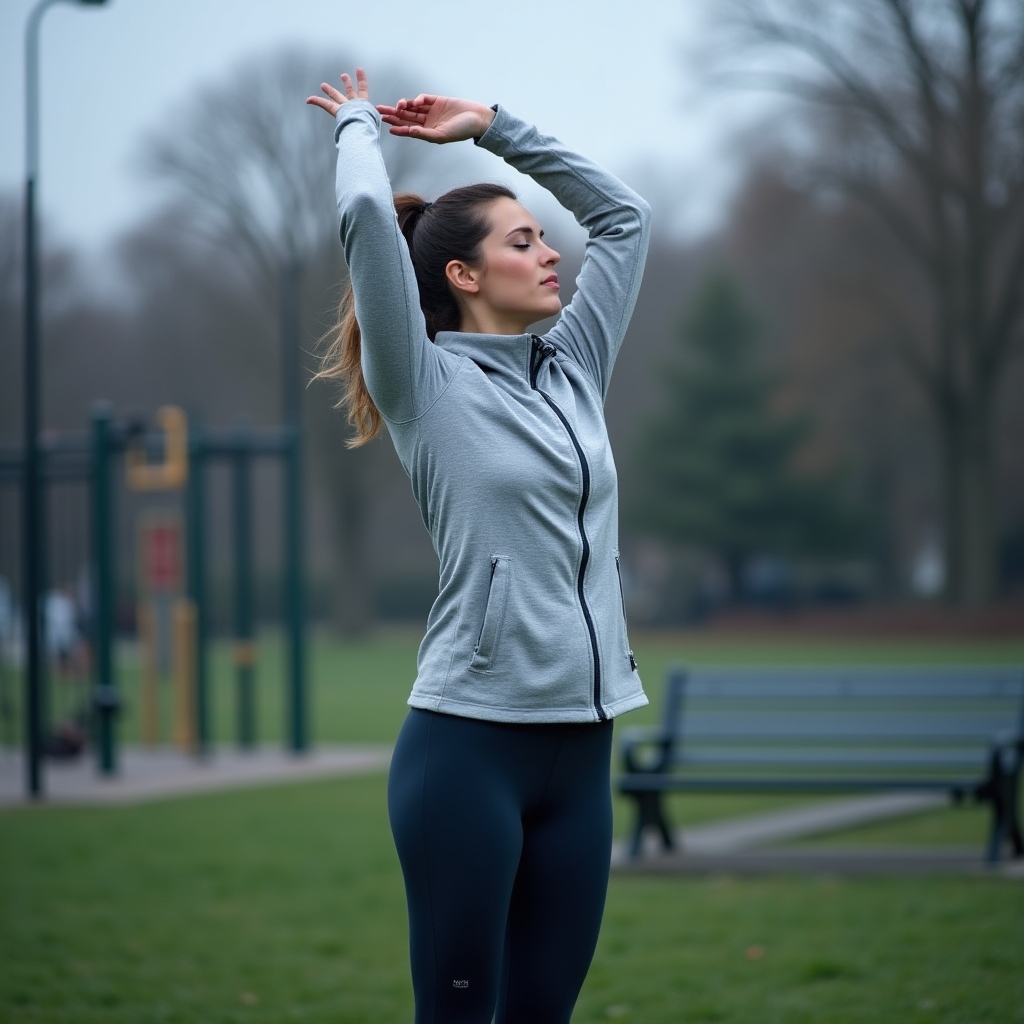
A public park contains more workout equipment than most people realize. The limitation isn't equipment. It's knowing how to use what's there with intention and structure.
The Park Equipment Inventory
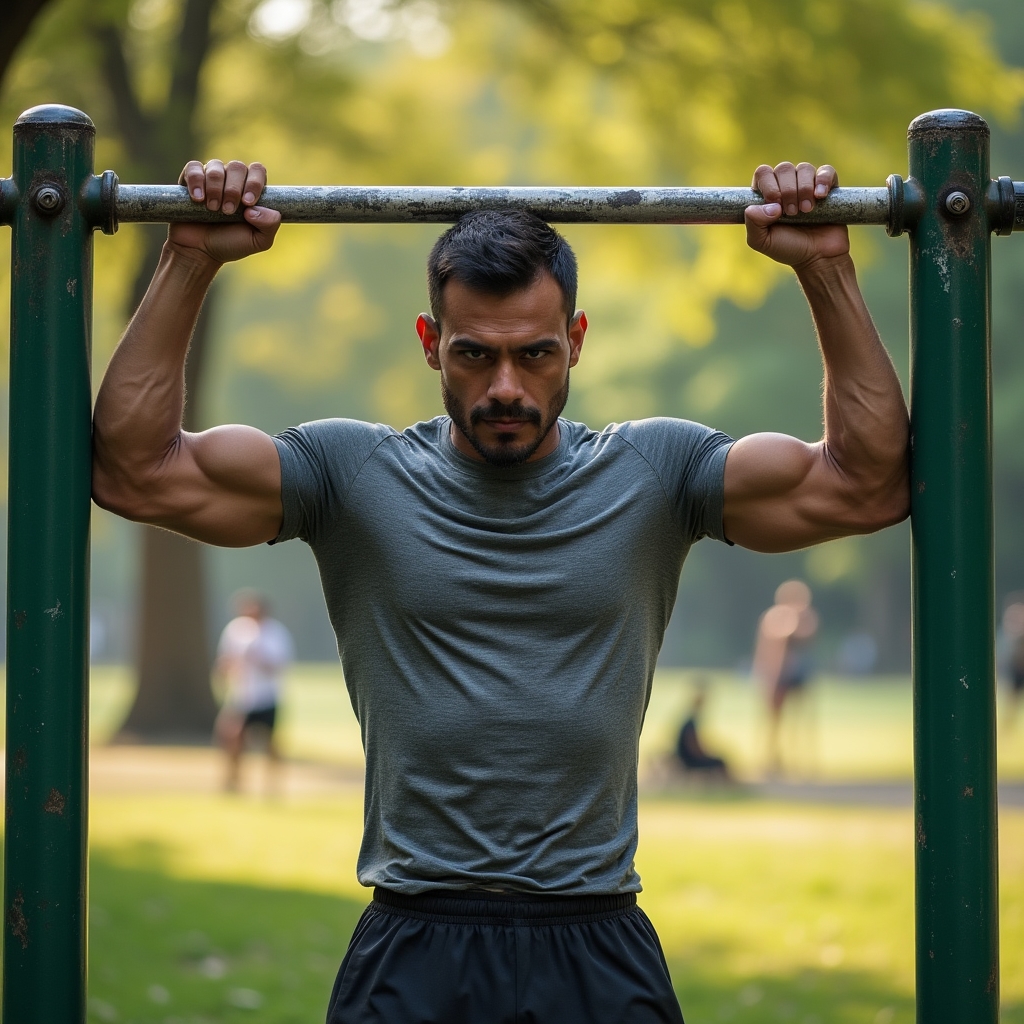
Benches handle step-ups, incline push-ups, dips, and Bulgarian split squats. Parallel bars or monkey bars, present in many parks, allow pull-ups, hanging knee raises, and bar dips. Open grass areas accommodate any ground-based movement. Slopes and hills add cardio and resistance. Trees with low branches extend the bar options.
Before your first session, walk the park and take mental inventory. Note what's there. Plan around what exists rather than what you wish existed.
A Practical Session Structure
Warm up with five minutes of easy movement. Dynamic stretches, light jogging around the perimeter, arm circles. Cold muscles on cold mornings need more time than you think.
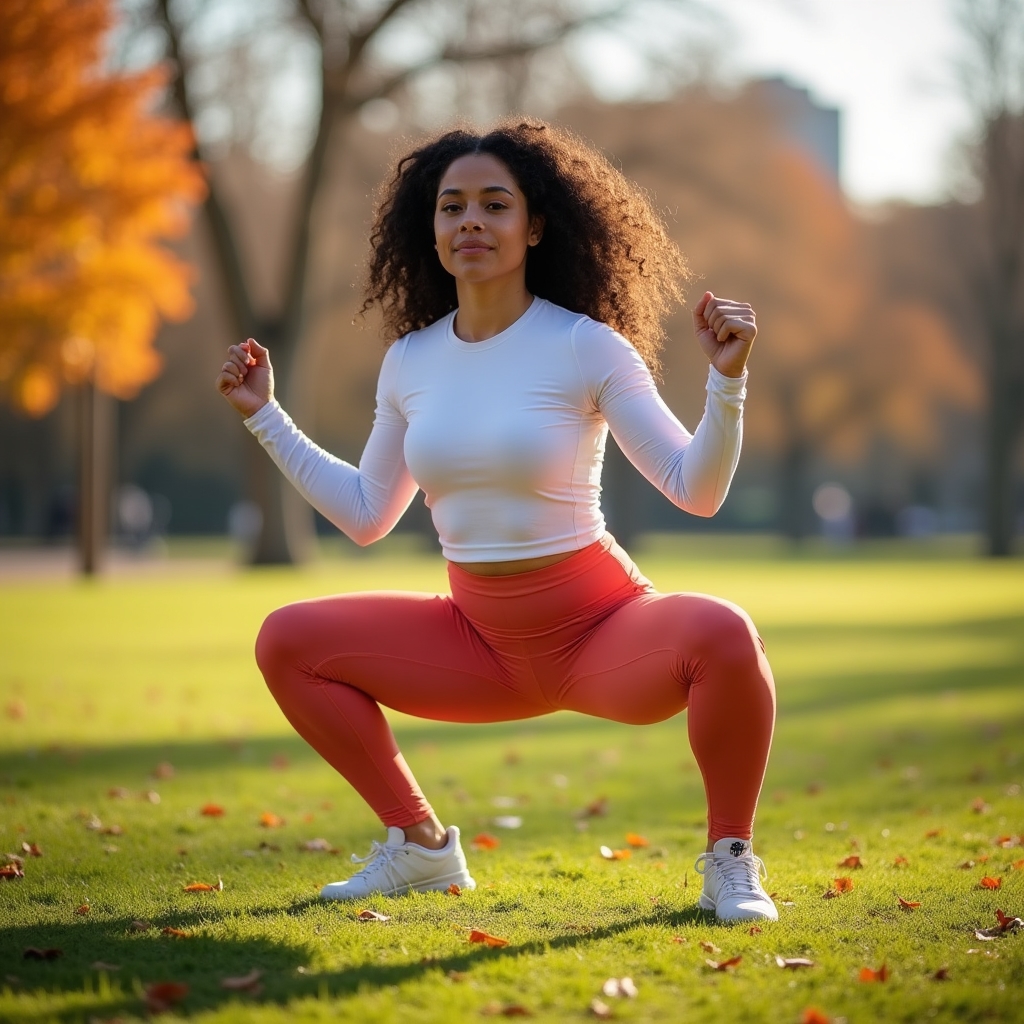
Work through four movement patterns: push (push-ups, dips), pull (any bar work available), hinge (single-leg deadlifts on grass, good mornings), and squat (bodyweight squats, step-ups, lunges). Cover these four patterns in any order. Rest between sets as needed. You're outside. No one is timing your rest periods.
Making It Progressive
Progressive overload without equipment means manipulating leverage, tempo, and volume. Decline push-ups are harder than flat. Slow push-ups with a three-second descent are harder than fast. Fifteen reps is harder than ten. These variables create months of progression before you hit a ceiling with bodyweight-only training.
Most people never hit that ceiling. They get bored, distracted, or move to a different activity before bodyweight work stops producing results. Use that time well.

 Rucking